Women's Procedure and Recovery Suite 2026
Project overview
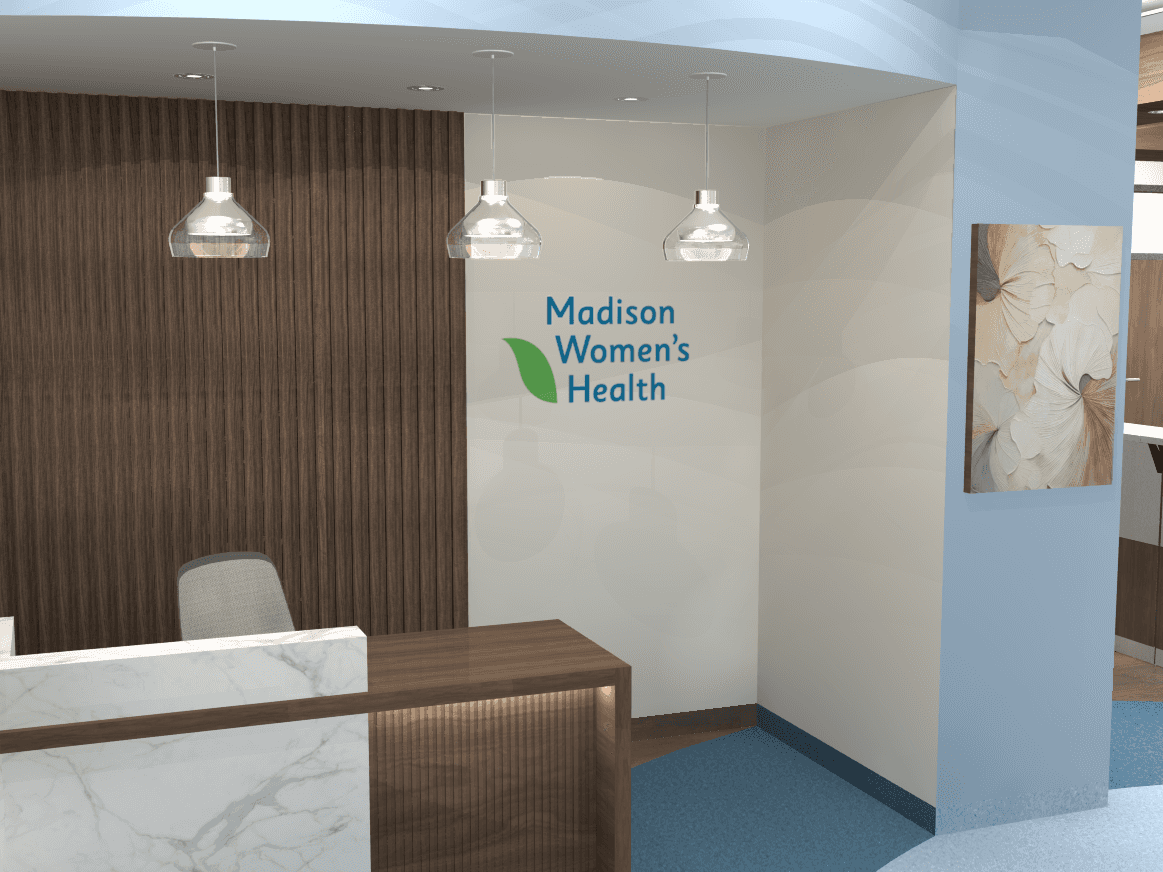
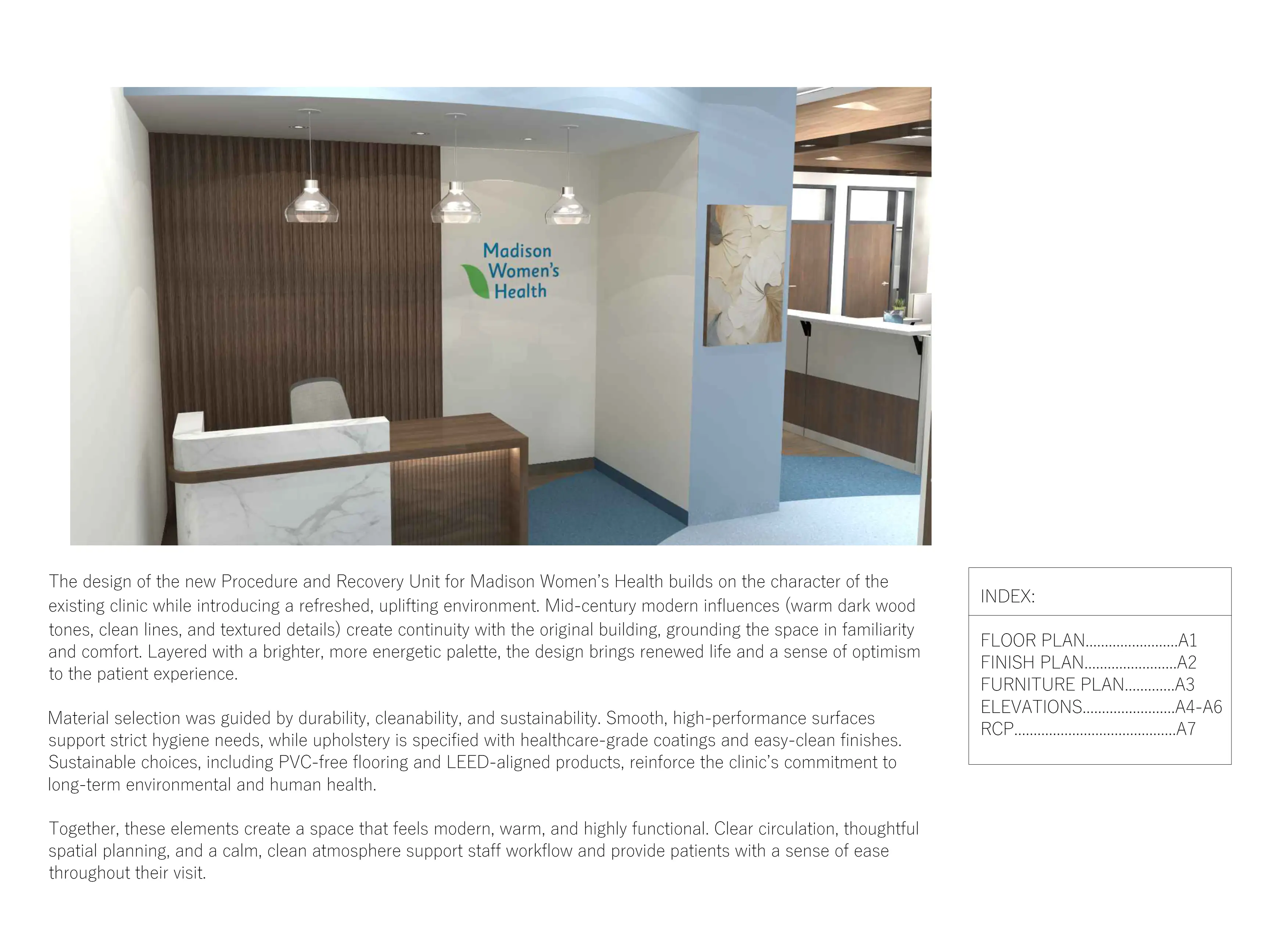
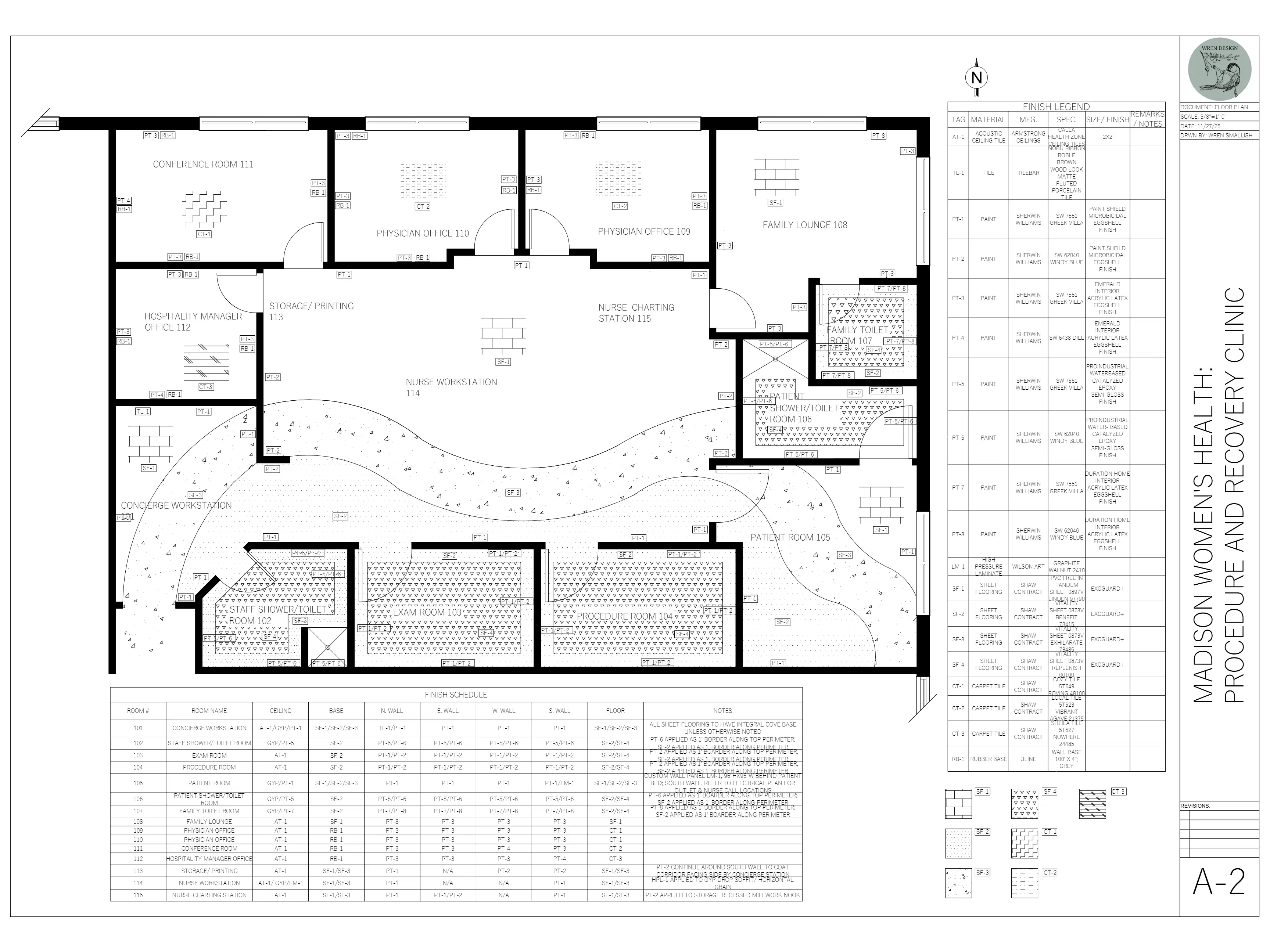
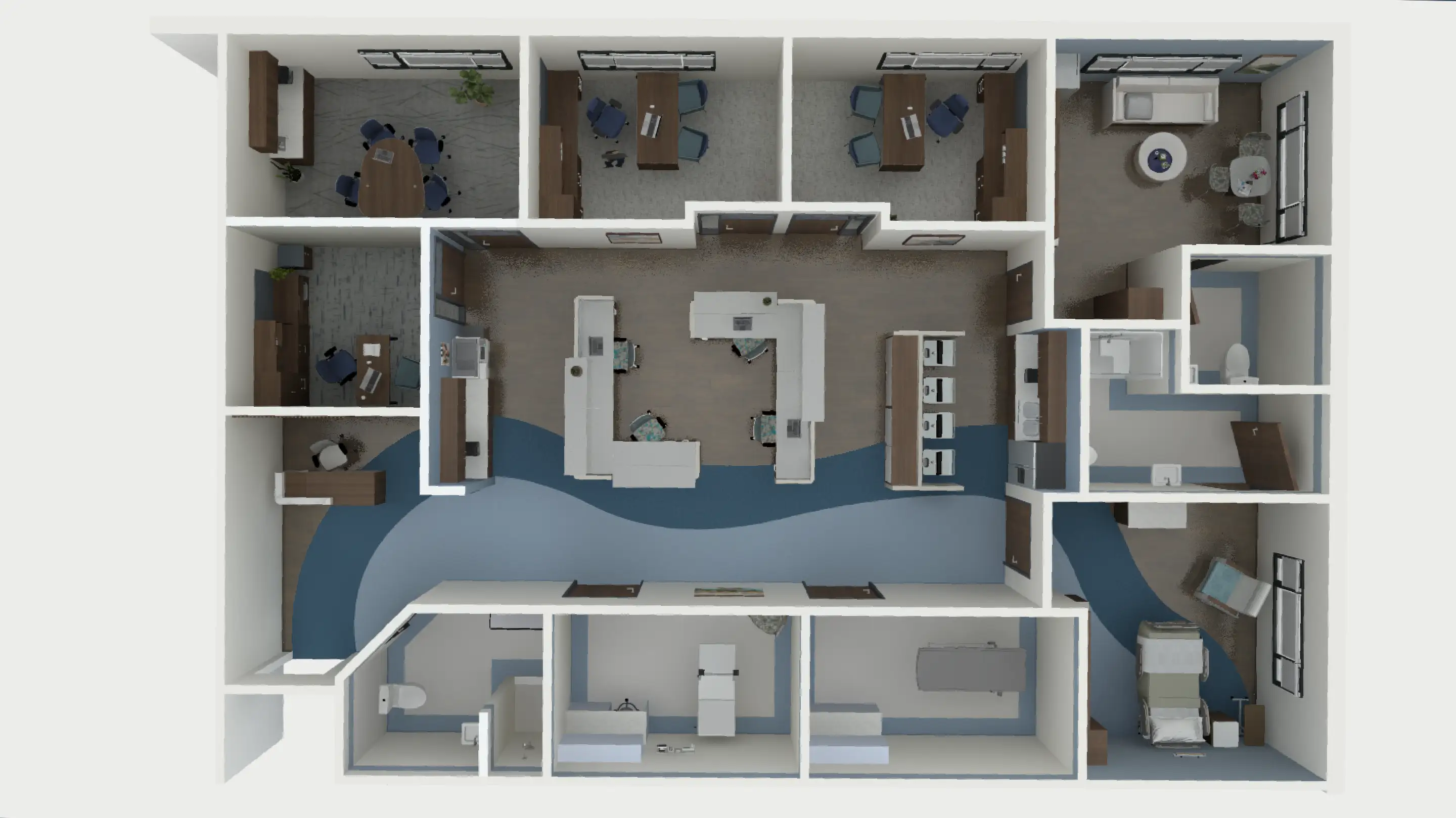
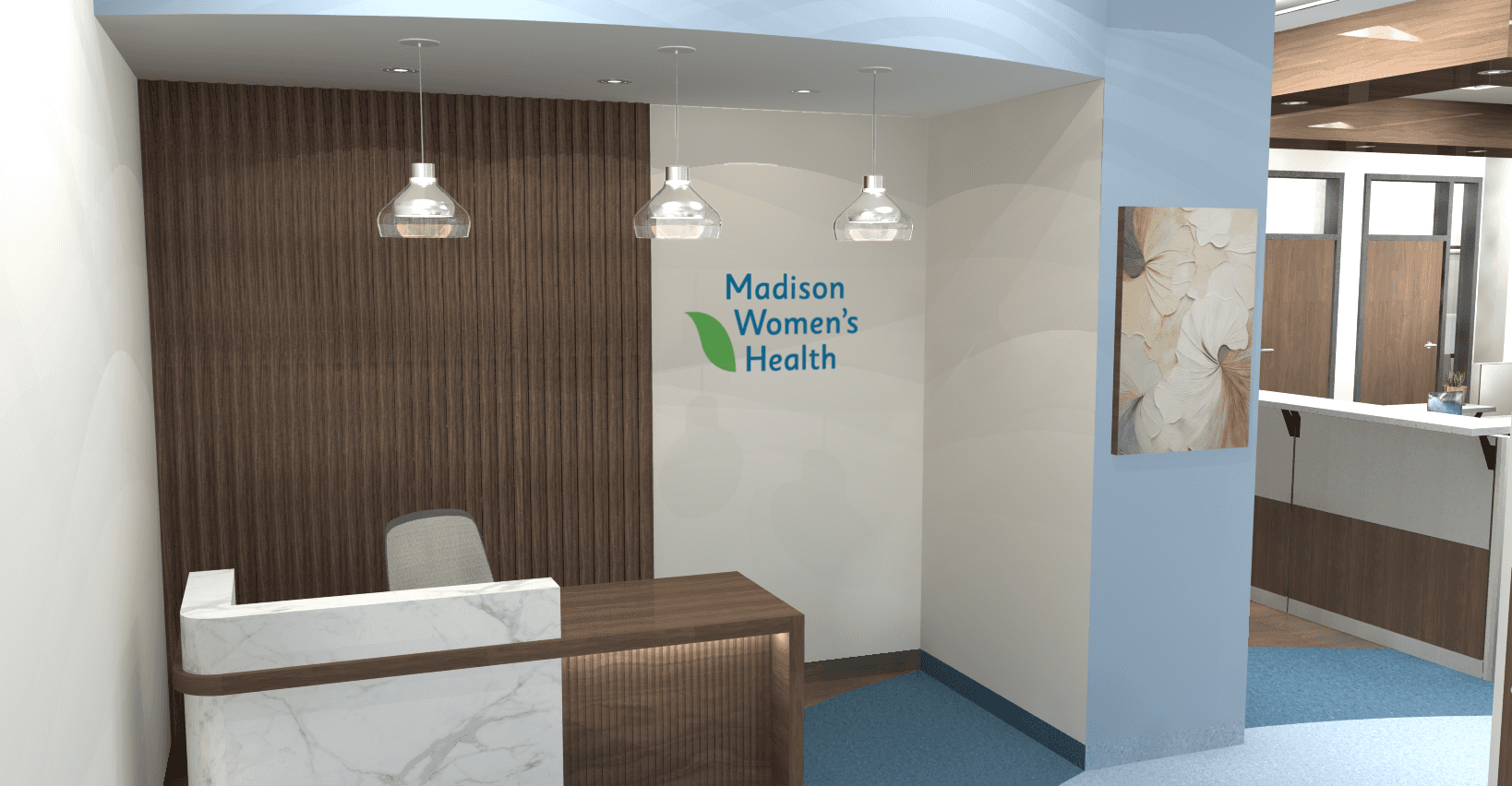
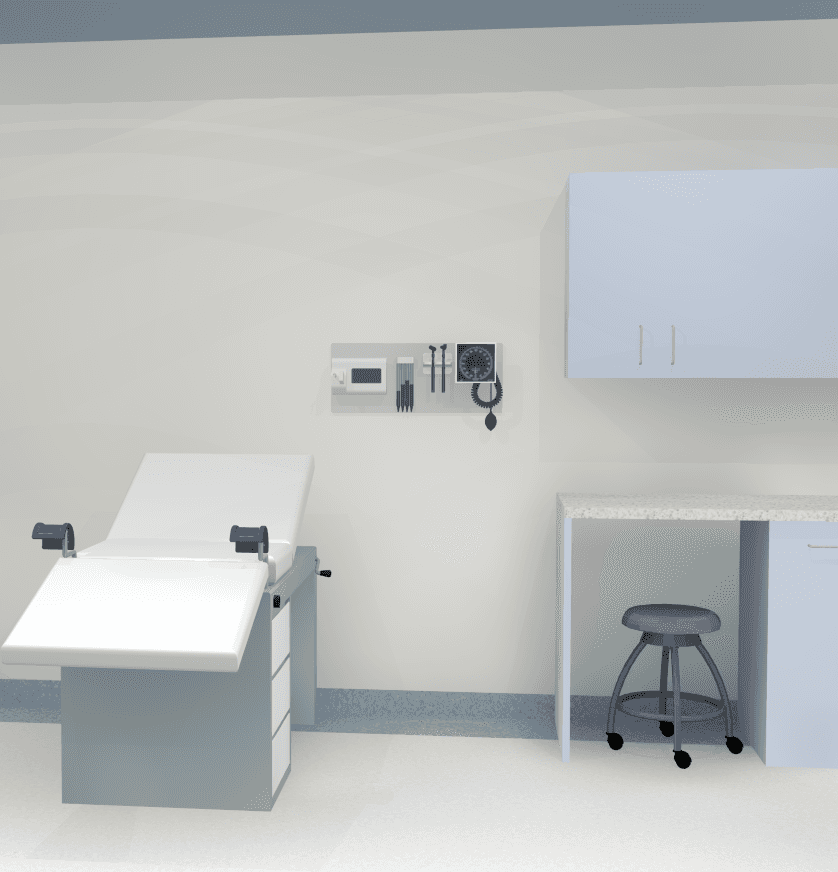
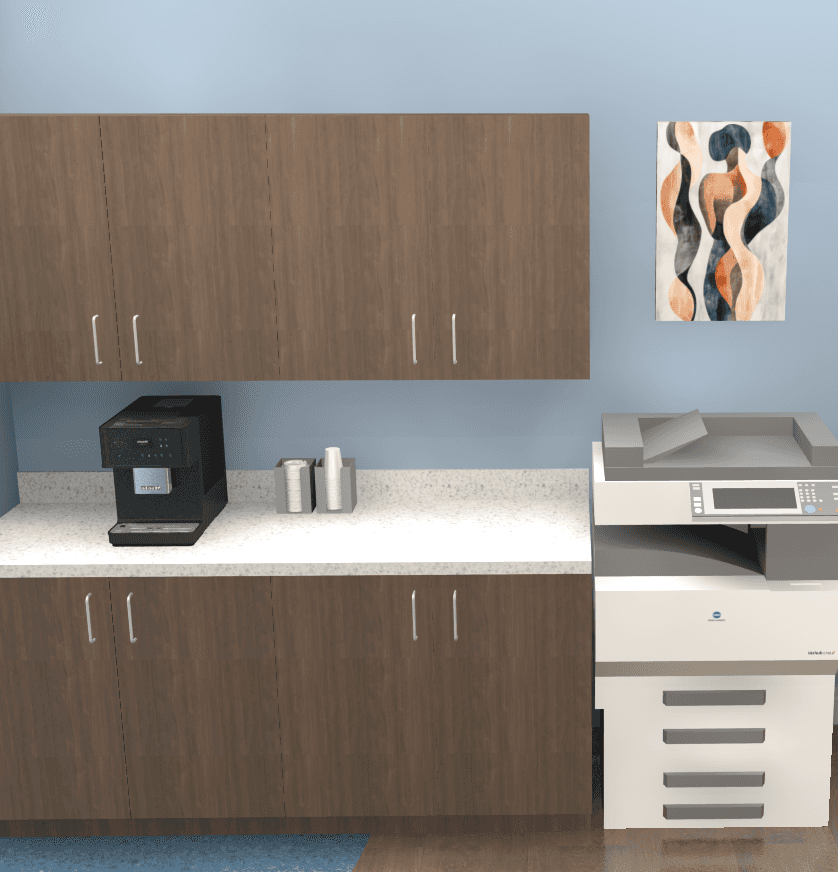
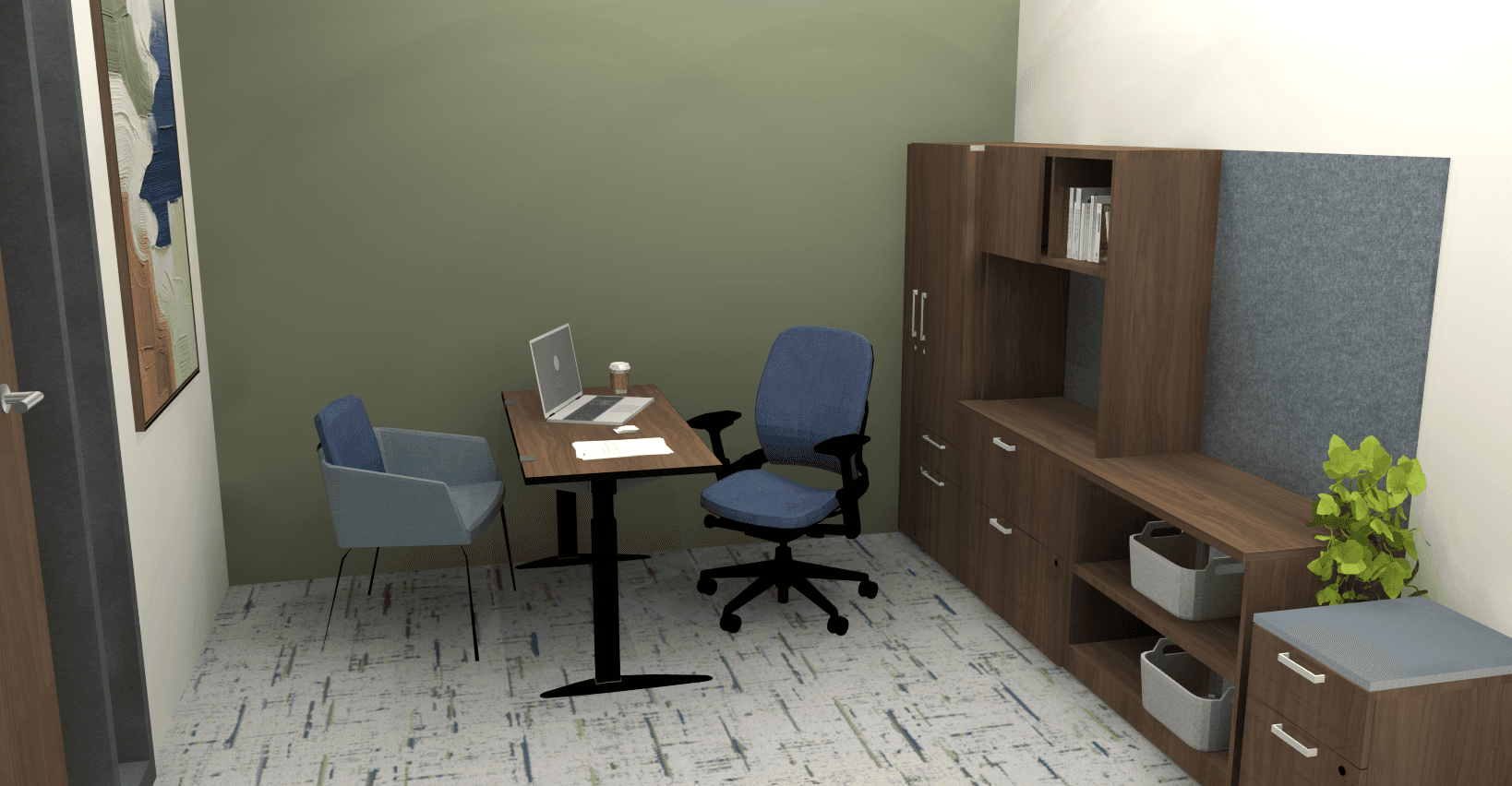
The design for the Madison Women’s Health Clinic centers on creating a space that feels serene, restorative, and deeply supportive of patient well‑being, while still upholding the high standards of sterility and cleanliness required in a clinical environment. To strike this balance, the palette leans into soft, calming hues- blues, teals, and gentle greens- colors that not only evoke tranquility but also align with the clinic’s existing branding. These tones help soften the clinical edge of healthcare spaces, making the environment feel more welcoming and emotionally grounding.
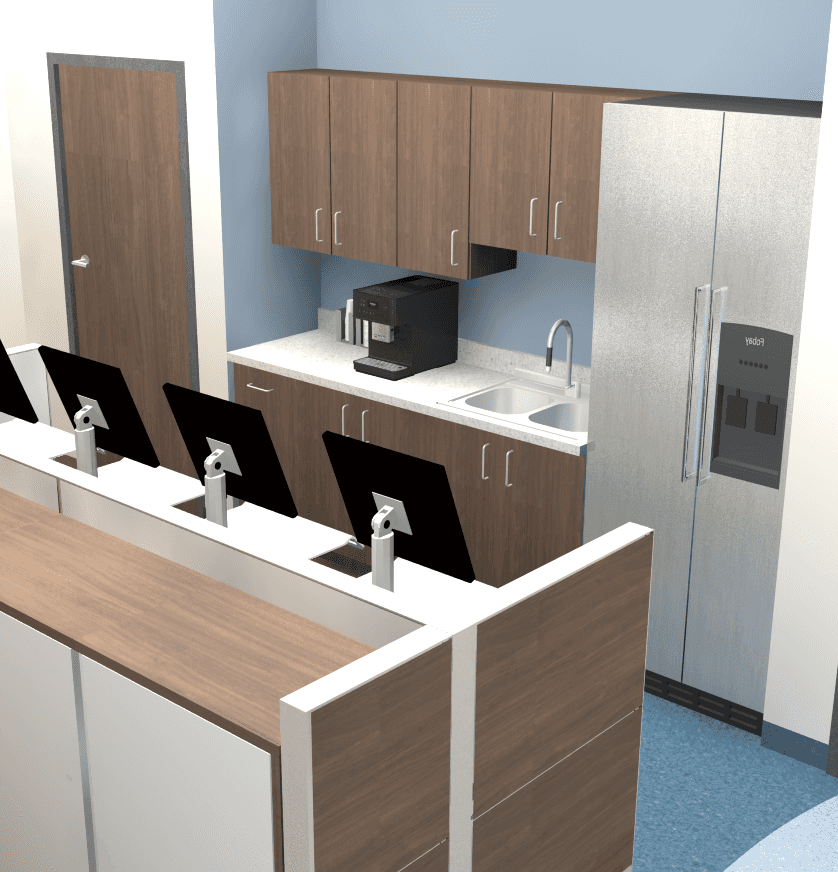
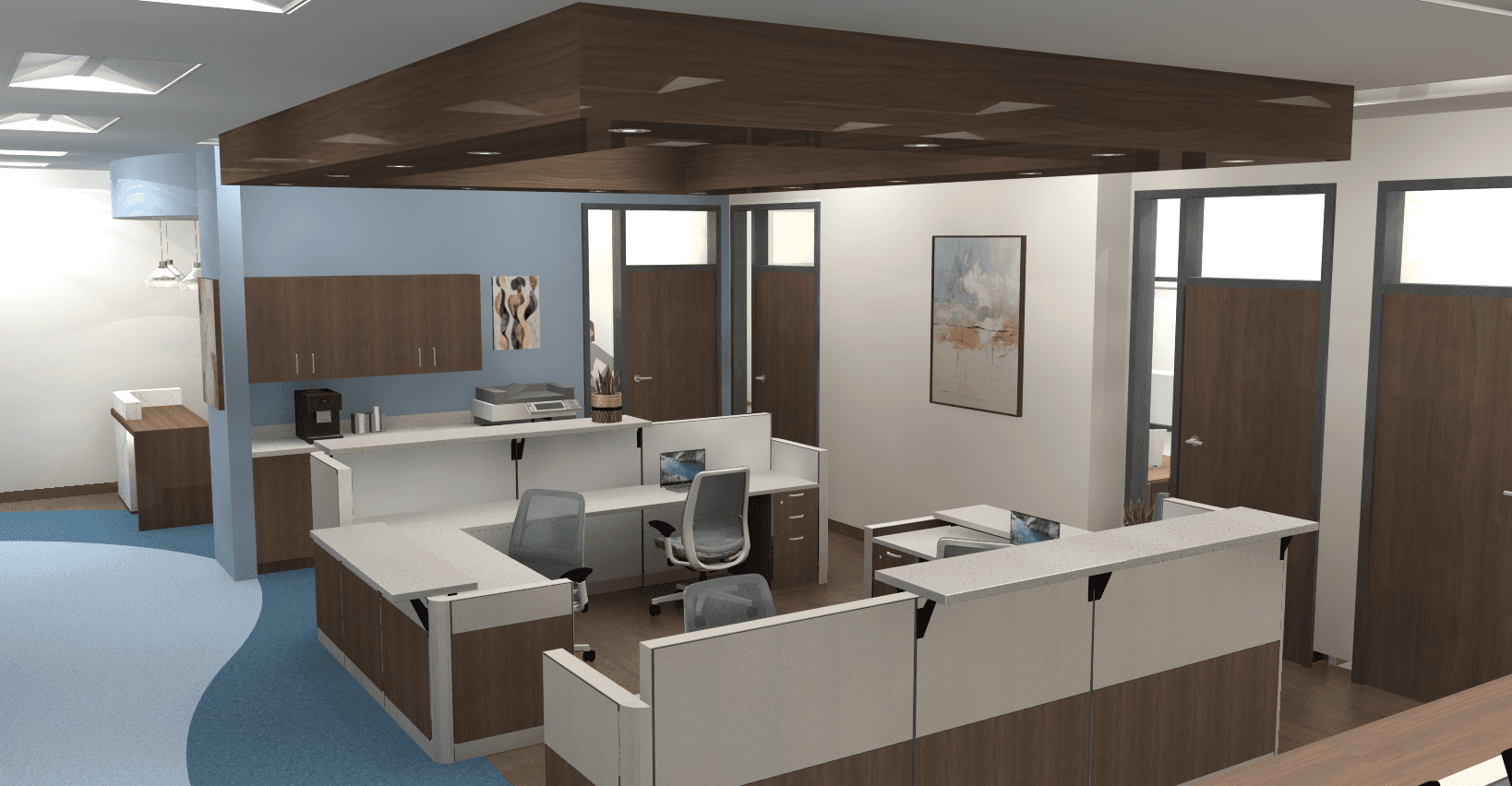
Subtle mid‑century modern accents are integrated throughout the interior as a nod to the original architecture of the building. Clean lines, warm wood moments, and restrained geometric forms allow the renovation to feel cohesive with the structure’s history without overwhelming the calm, contemporary atmosphere.
A major priority of the design is environmental and human health. The material selections emphasize sustainability and low‑toxicity, including non‑PVC flooring, low‑VOC finishes, recycled textiles, and LEED‑aligned furnishings. These choices reduce off‑gassing, improve indoor air quality, and support the clinic’s commitment to planetary stewardship. The result is an interior that is as healthy to inhabit as it is responsible to the environment.
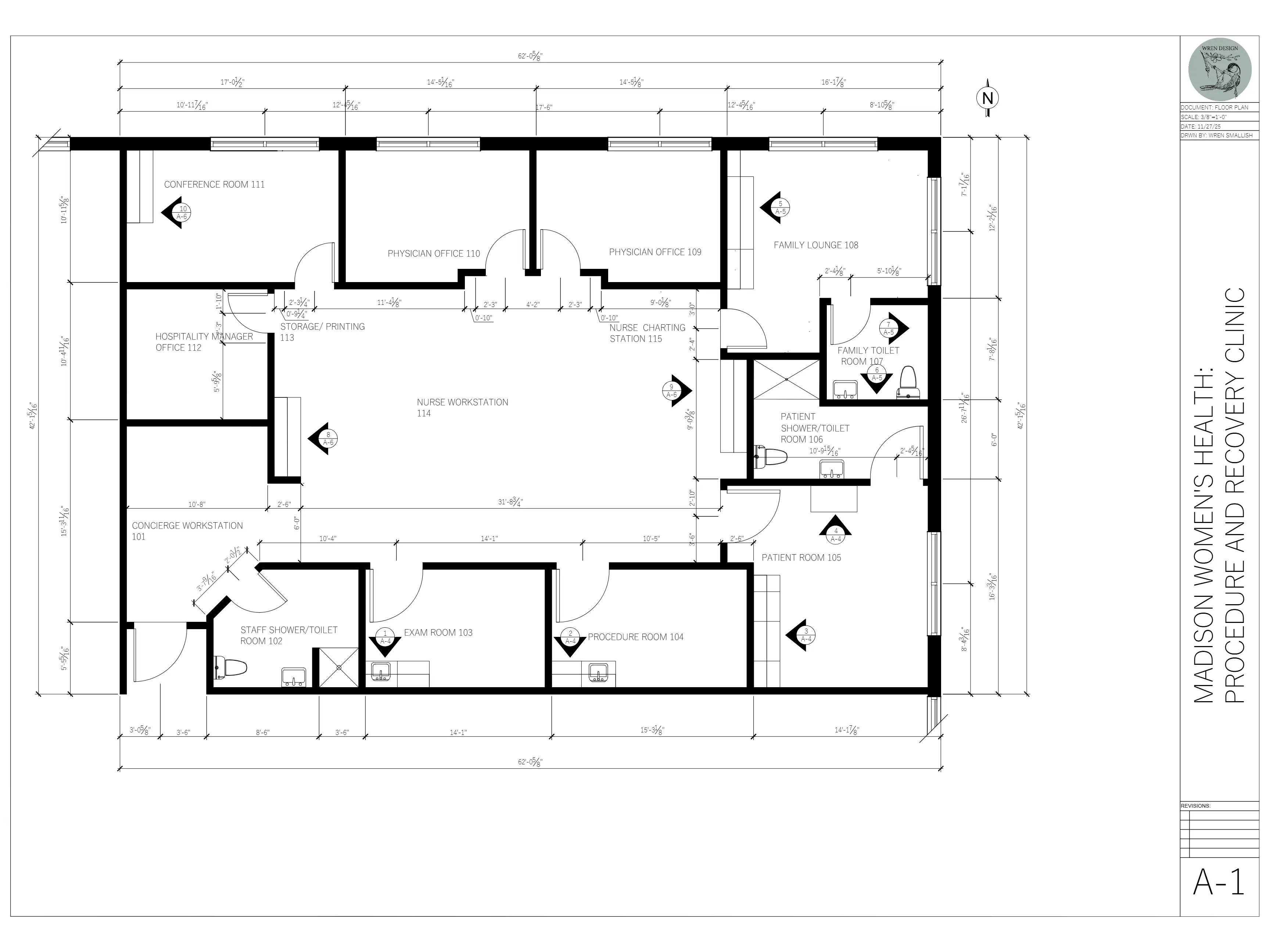
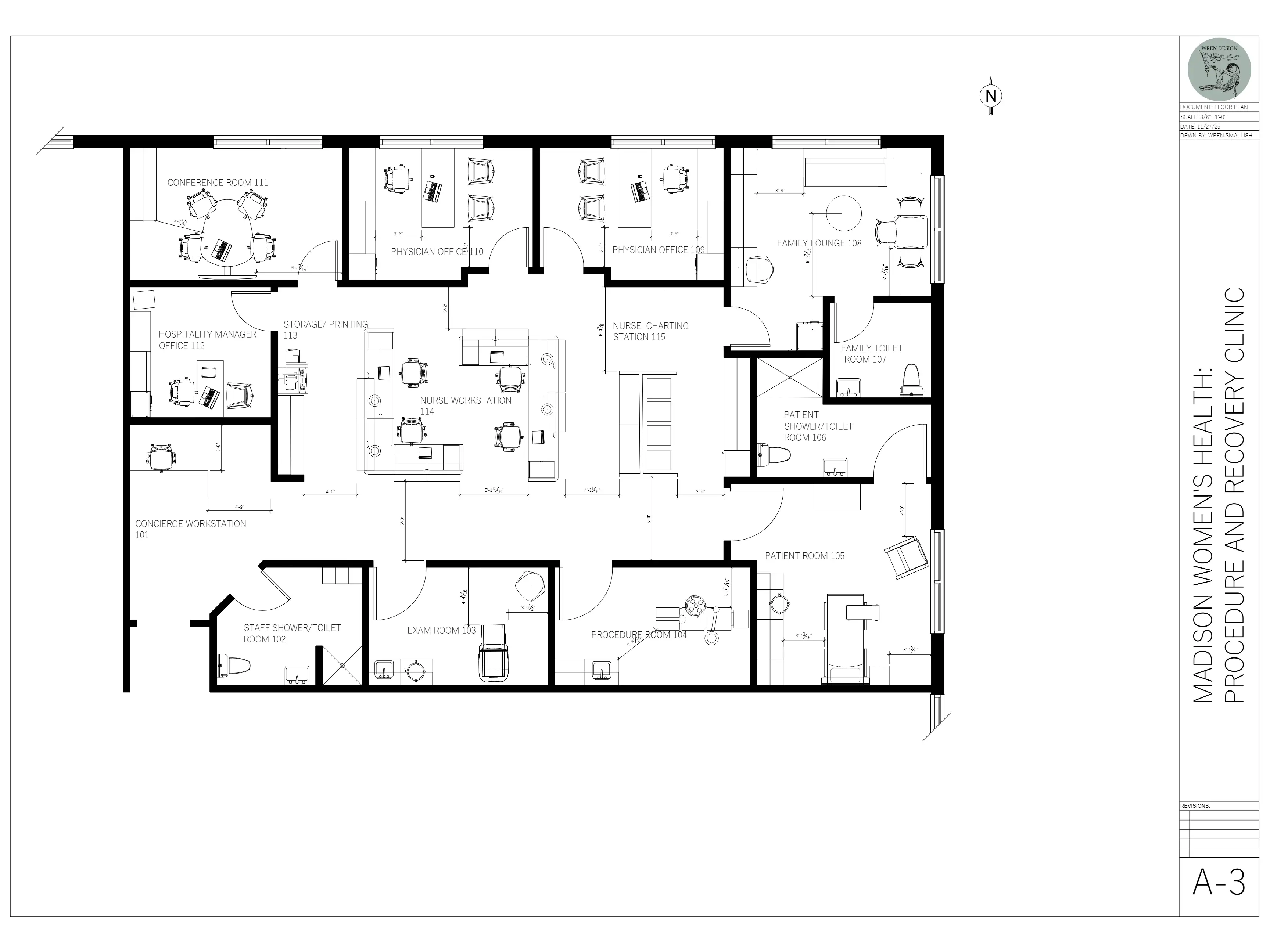
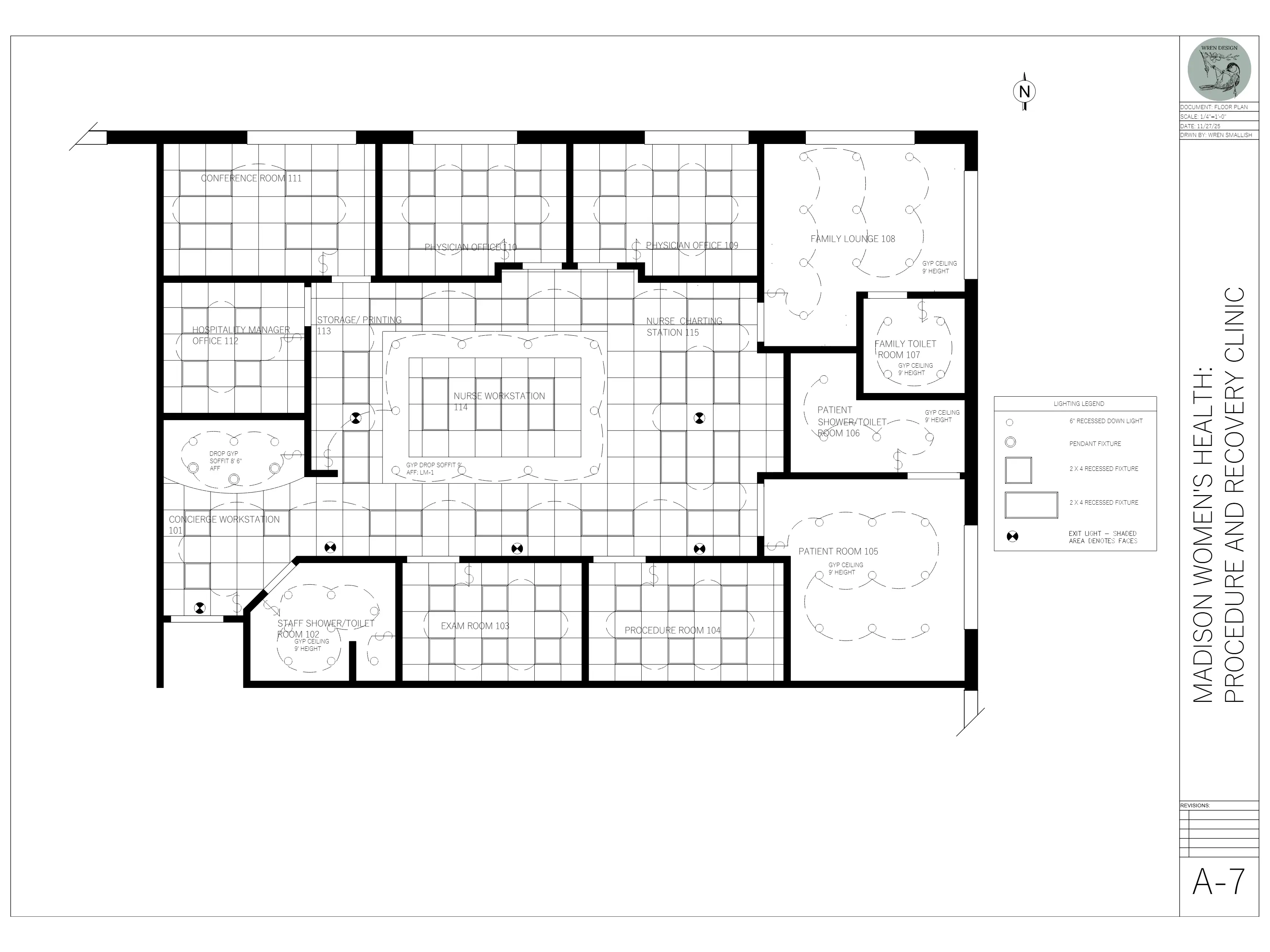
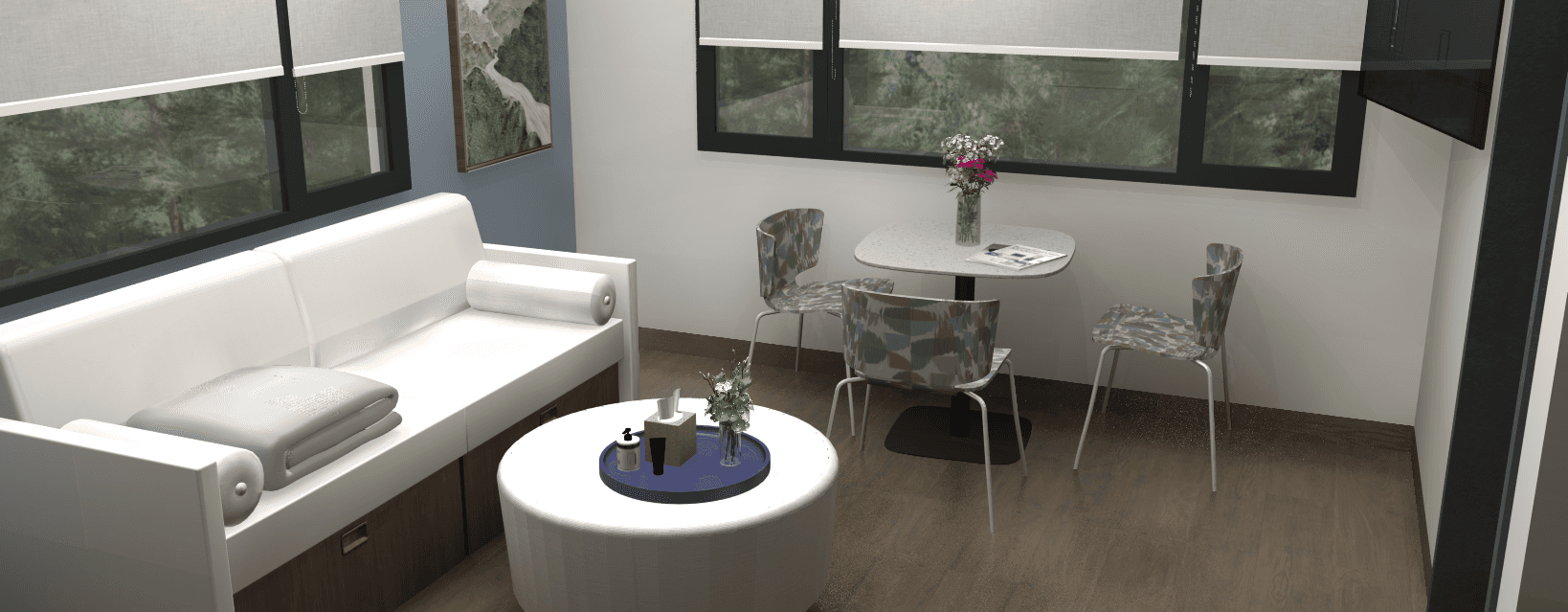
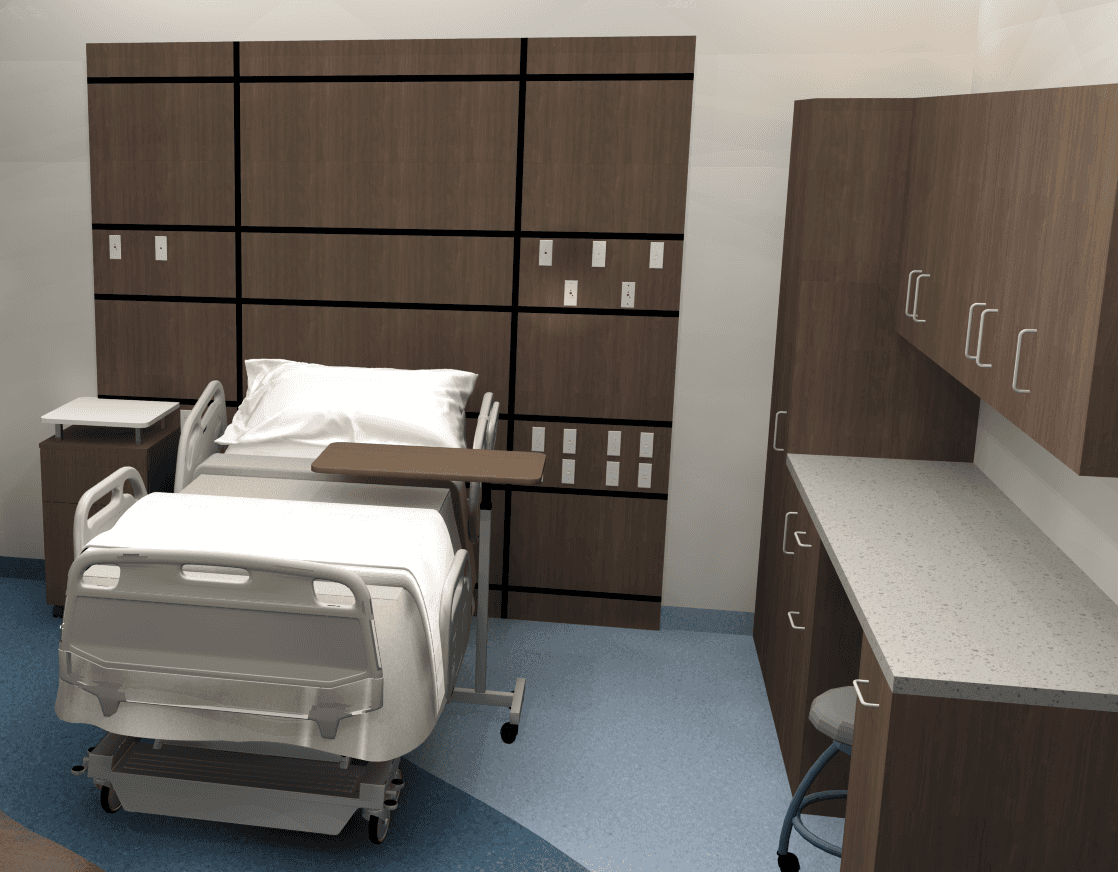
To further enhance comfort, patient rooms and the family lounge adopt a more residential sensibility. Instead of the bright troffers used in clinical zones, these spaces feature recessed lighting and softer illumination, creating a sense of calm and privacy. Warmer textures and gentler lighting help patients and families feel at ease, transforming these rooms into restorative retreats rather than purely functional medical spaces.
Overall, the design blends serenity, sustainability, and architectural continuity: a women’s health clinic that feels both deeply calming and thoughtfully future‑focused.
Pre-design analysis
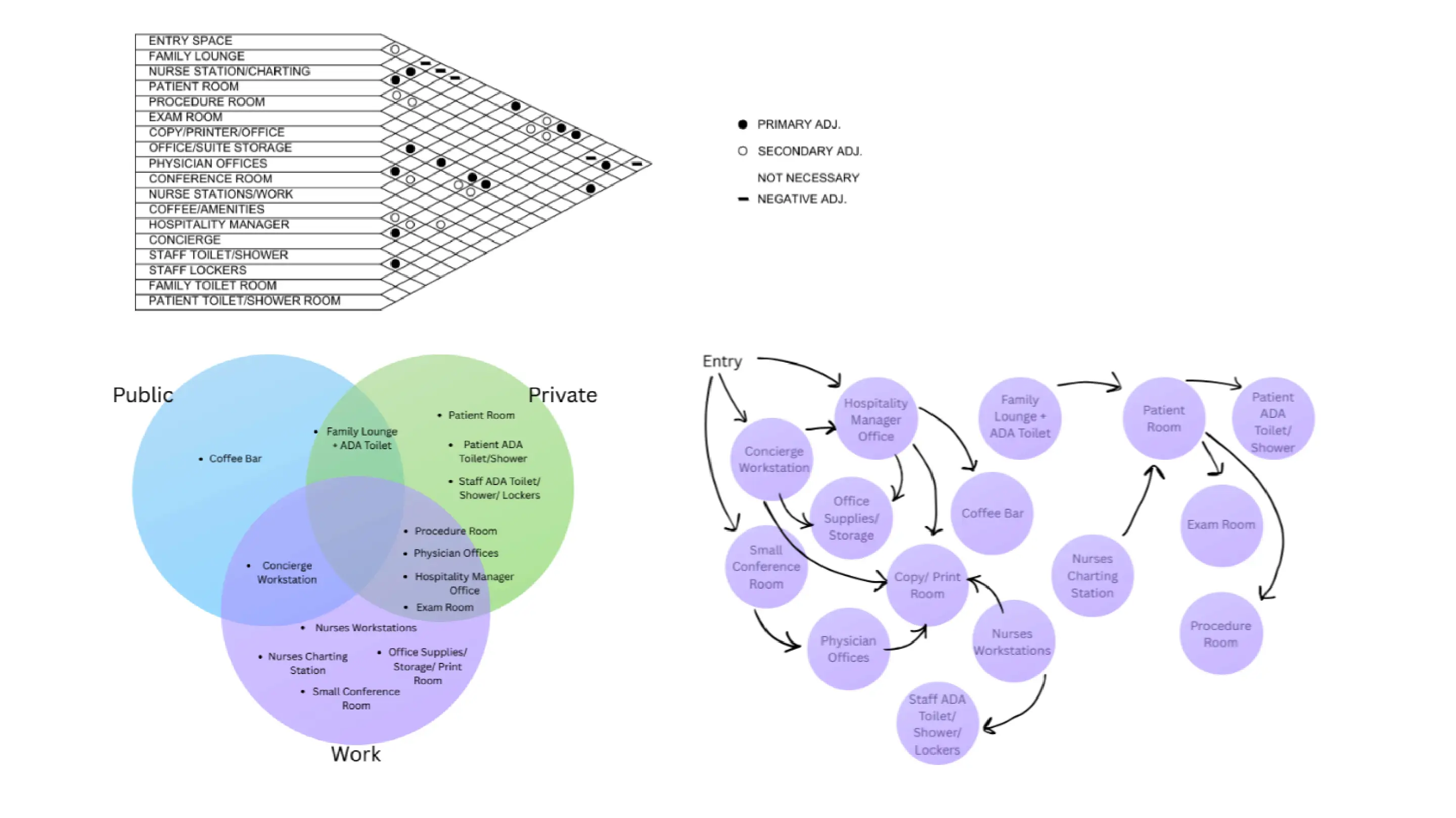
This section illustrates the early programming logic behind the floor plan. The adjacency matrix, bubble diagram, and Venn diagram work together to analyze functional relationships, circulation needs, and levels of privacy within the clinic. By mapping how spaces interact and overlap, these diagrams help establish the most efficient flow, clarify zoning, and guide the development of an optimized spatial layout.
Concept Boards


Plans & Elevations
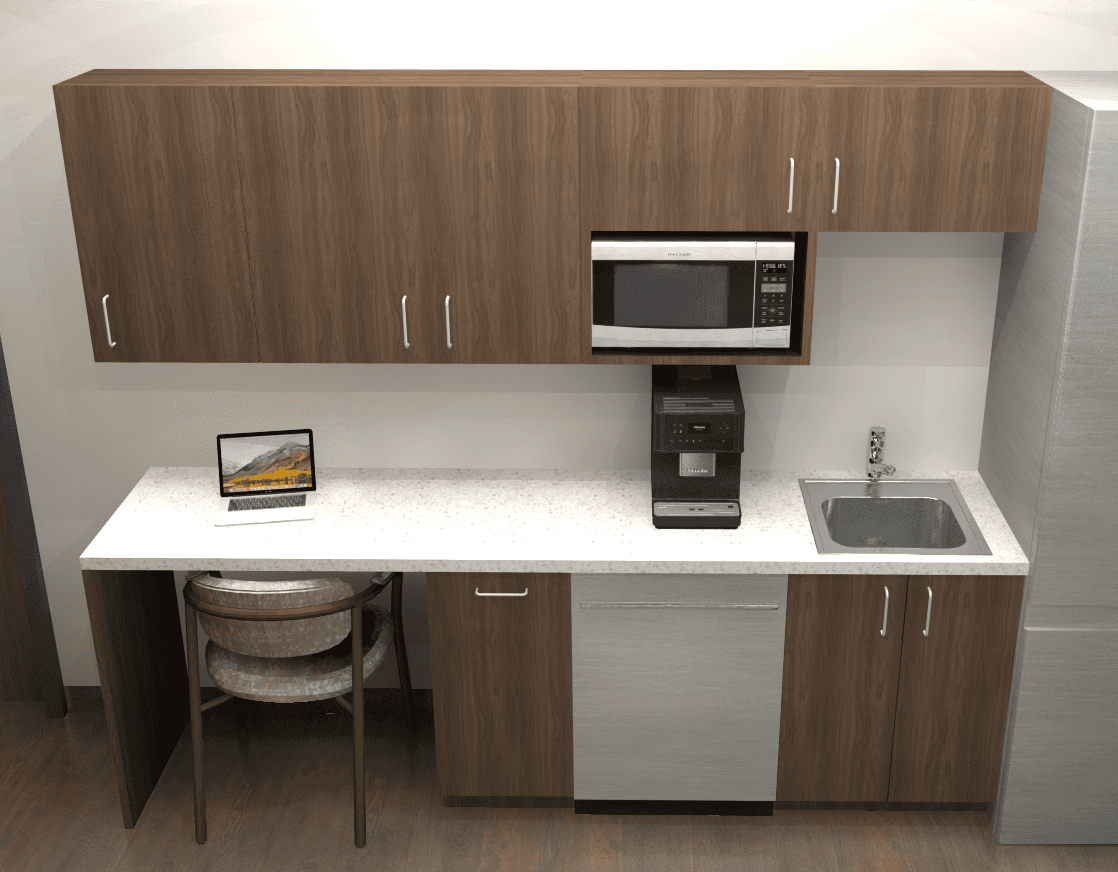
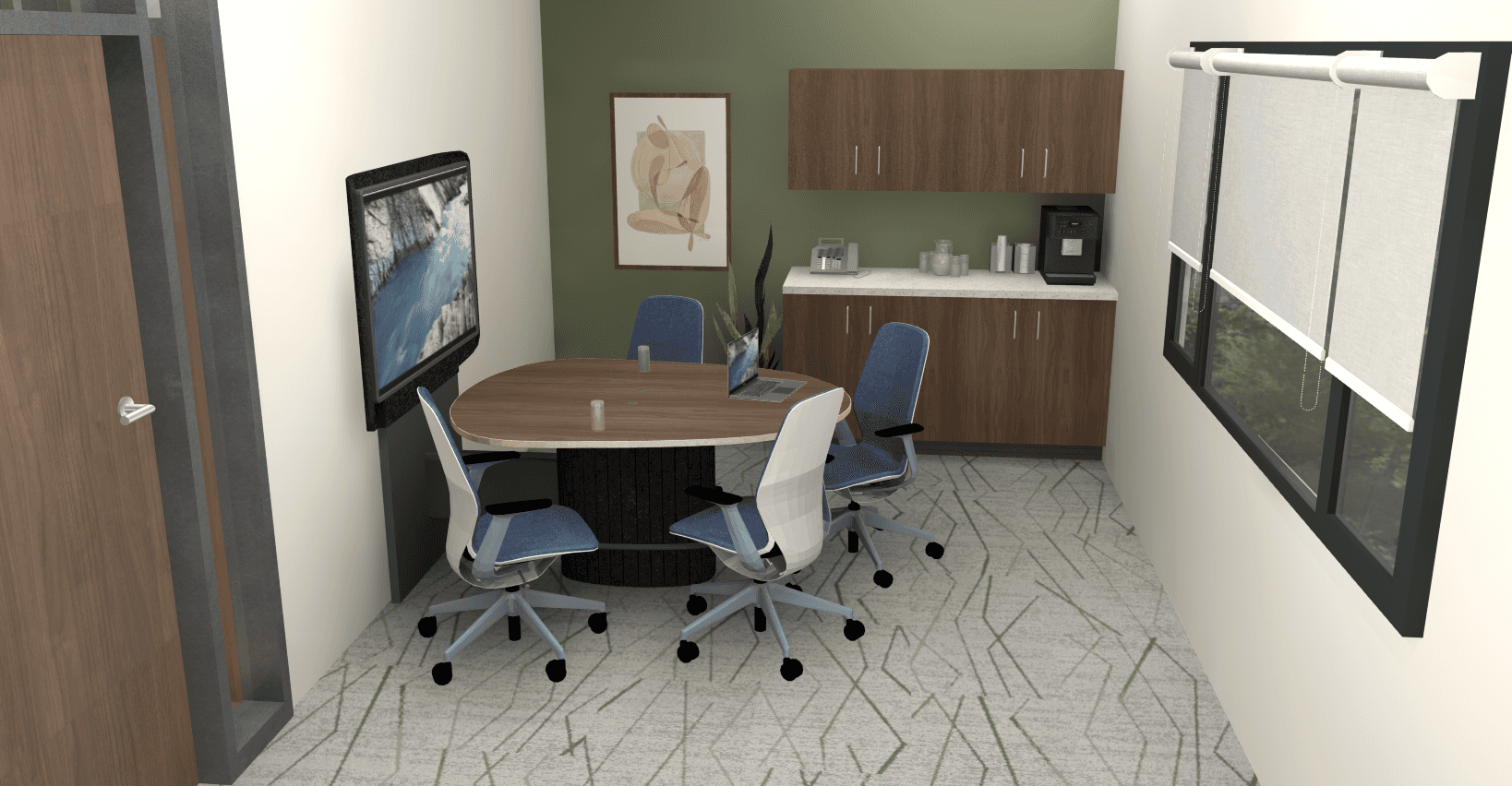
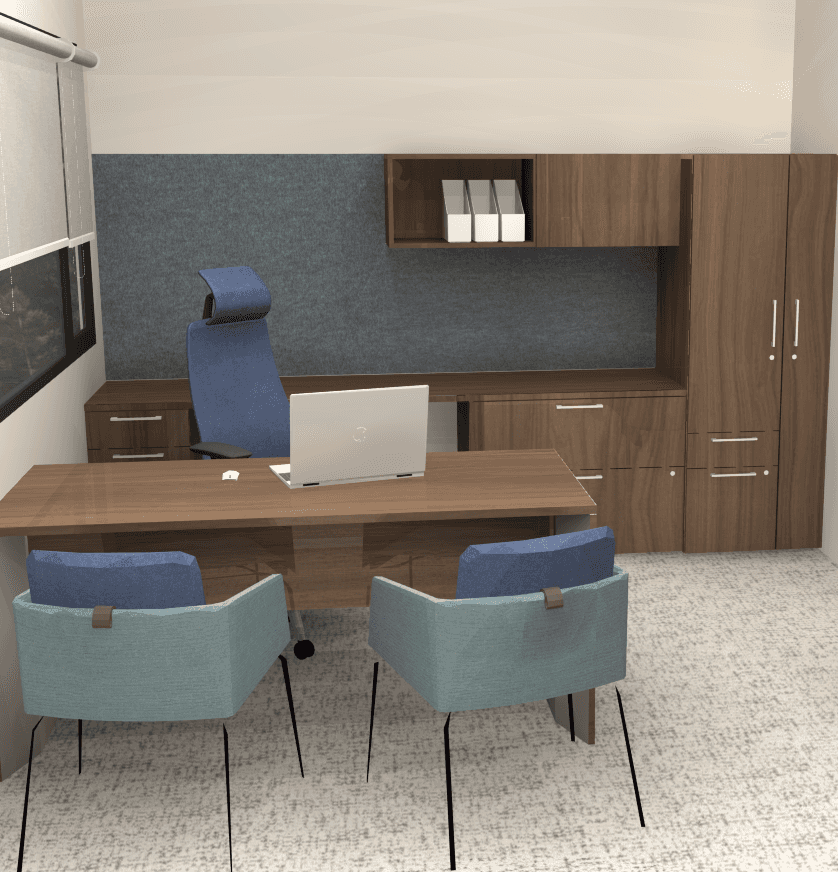
Spatial Renderings
Results
The completed clinic delivers a calm, patient‑centered environment that maintains clinical sterility without feeling cold or intimidating. The soft blues, teals, and greens (aligned with the clinic’s branding) create an immediate sense of ease, while subtle mid‑century modern accents honor the building’s architectural roots. Sustainable choices such as non‑PVC flooring, low‑VOC materials, recycled textiles, and LEED‑aligned furnishings improve indoor air quality and reduce environmental impact. Patient rooms and family lounges feel more residential and comforting thanks to recessed lighting and softer finishes, creating a warm contrast to the brighter clinical zones. Overall, the design results in a space that is clean, sustainable, and genuinely soothing for patients and families.